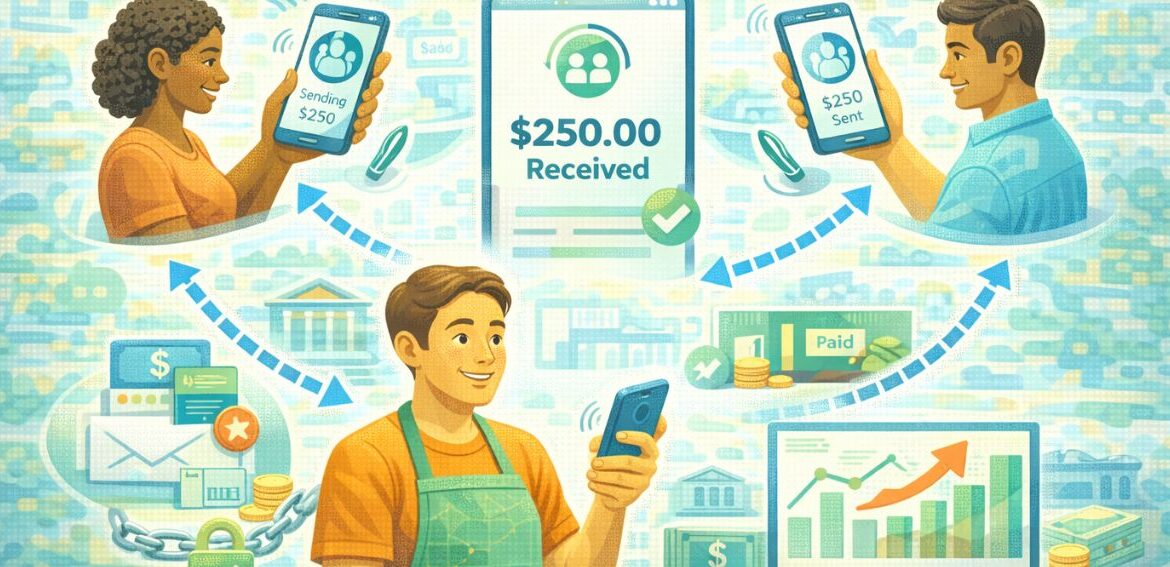
Cash flow is the lifeblood of any business. Operations might be silently strained by irregular settlement cycles, processing lags, and delayed payments, regardless of how robust sales appear on paper. Revenue timing rather than revenue generation is a problem for many small and mid-sized organizations. Peer-to-peer (P2P) payments have become...
Understanding P2P Payment Limits and Restrictions: The Updated Guide for Safer, Faster Transfers
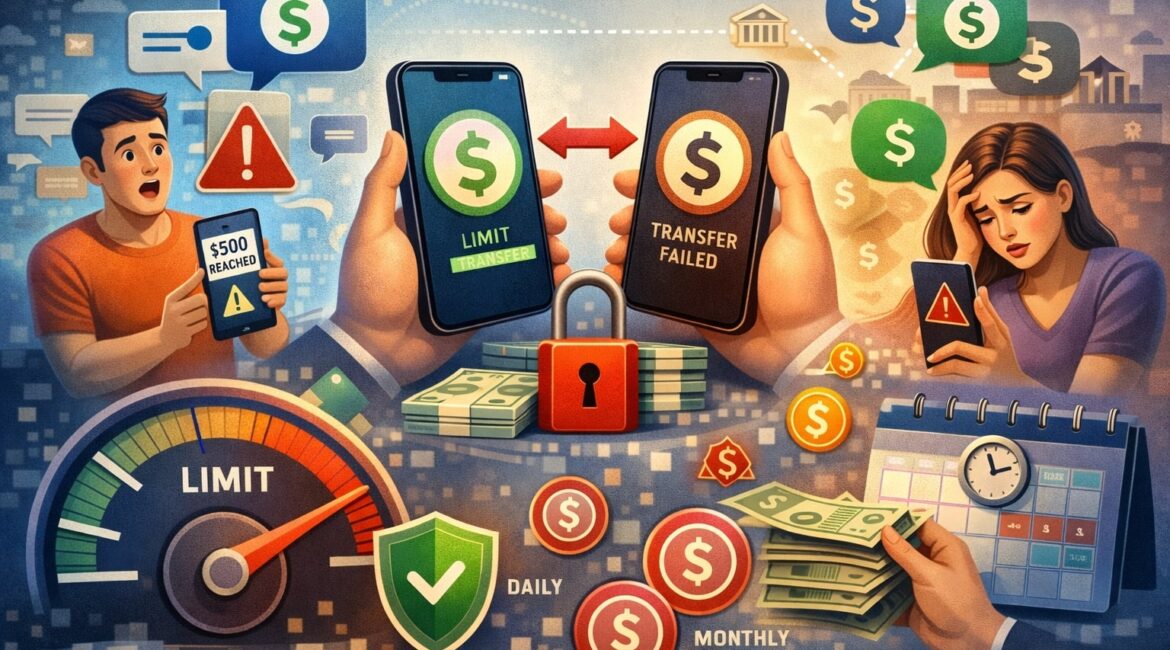
Peer-to-peer (P2P) payments feel instant and effortless—tap, send, done. But behind that simplicity is a dense set of P2P payment limits and restrictions that can affect whether a transfer goes through, how much you can send, how quickly money becomes available, and what happens if something goes wrong. These P2P...
How P2P Payments for Business Work
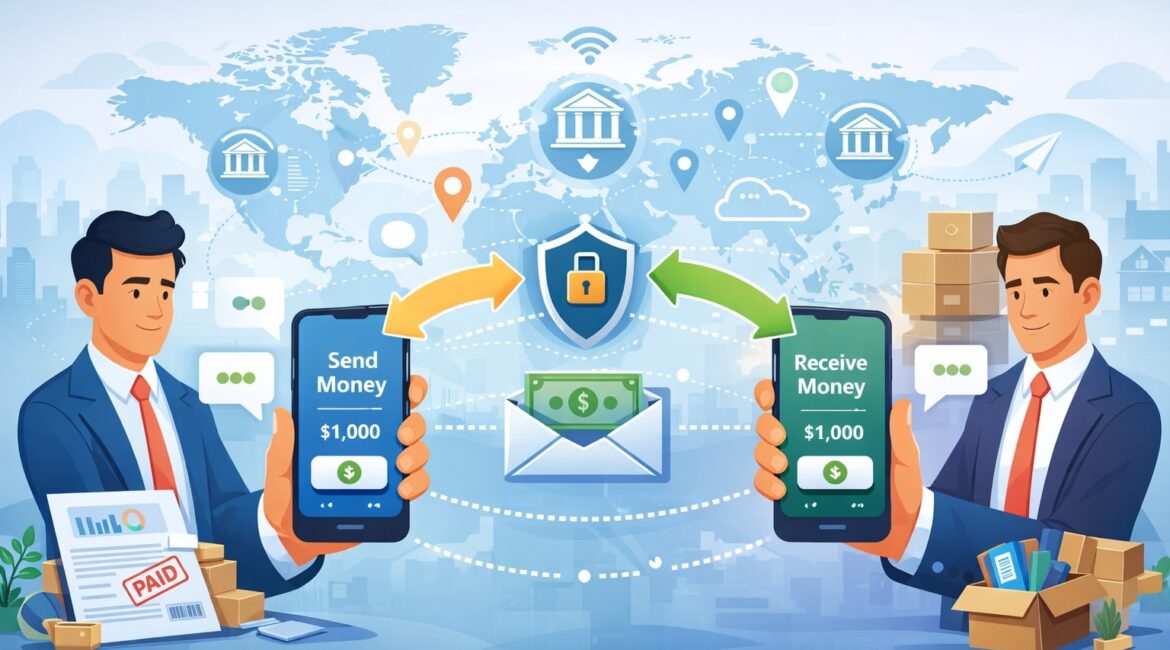
P2P payments for business have moved from “nice-to-have” to “everyday operations” for many owners who want faster money movement, fewer manual steps, and a simpler way to get paid by customers, clients, or other businesses. When people hear “P2P,” they often think of splitting dinner or paying a roommate. But...
What Are P2P Business Payments? A Complete Guide
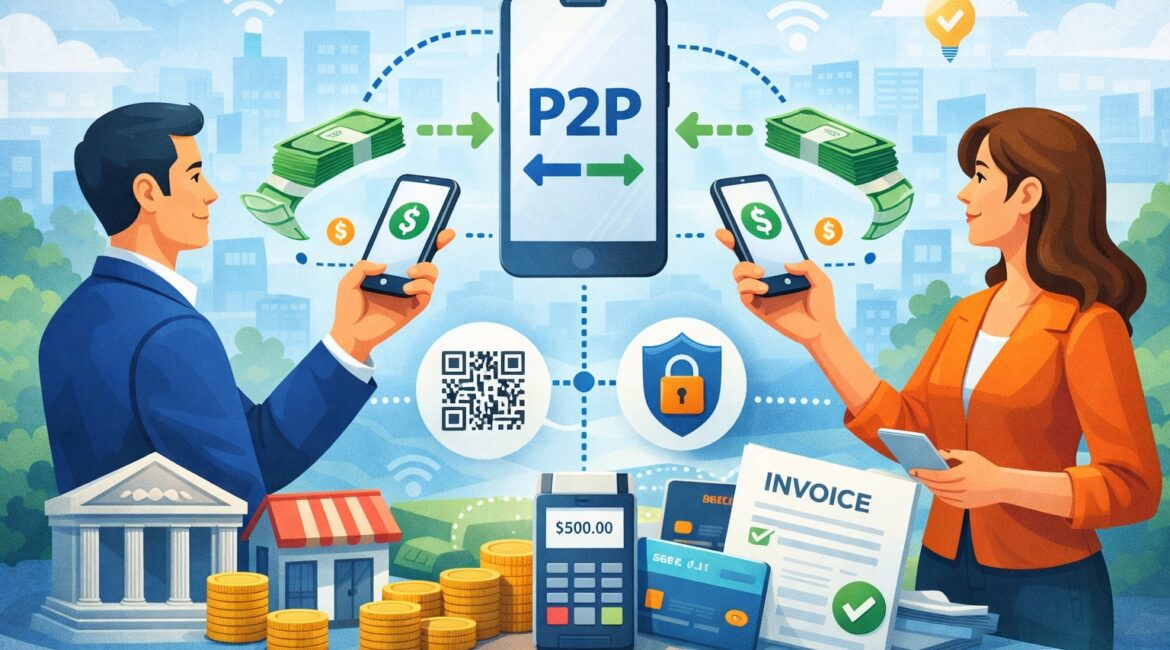
P2P business payments are the modern “send money instantly” experience—adapted for real commerce. Instead of waiting days for a transfer or chasing checks, you can accept or send funds using a phone number, email address, QR code, or in-app identity, with money landing in a bank account or digital wallet...
Understanding Security Risks in Peer-to-Peer Transfers
Peer-to-peer transfers are now woven into daily life in the United States. Whether you’re paying a contractor, splitting dinner, reimbursing a sitter, or moving funds between accounts, peer-to-peer transfers feel instant, simple, and nearly invisible. That convenience, however, also makes peer-to-peer transfers a prime target for fraudsters who rely on...
Business Account Setup Guide: Venmo, Cash App, and PayPal
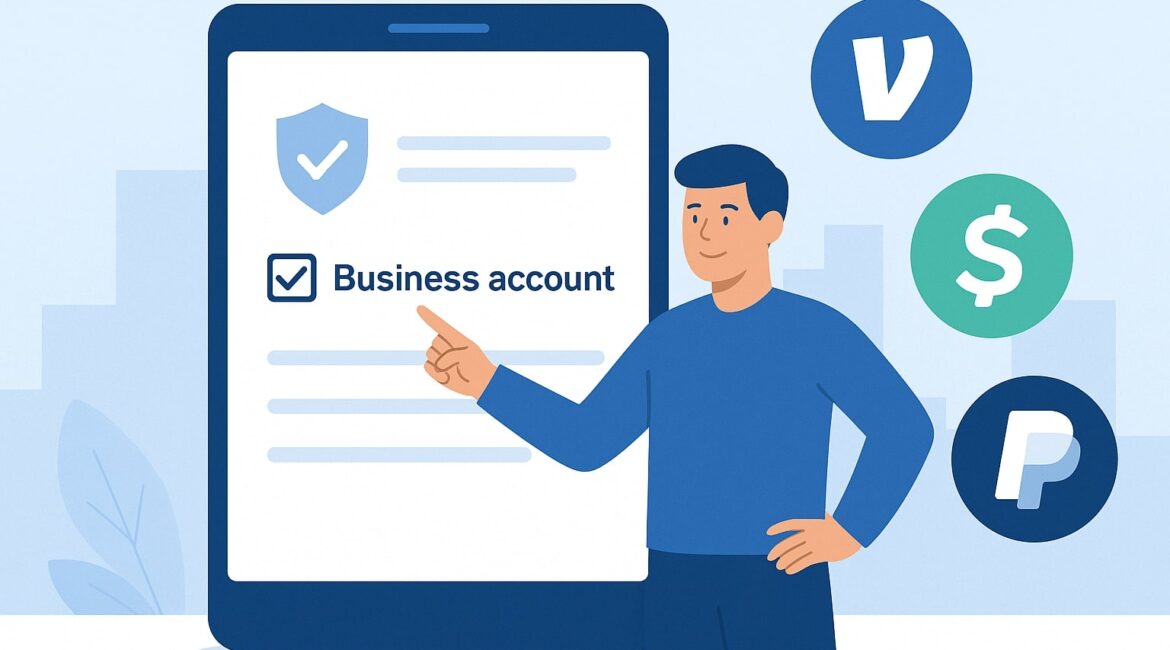
Setting up a business account on Venmo, Cash App, or PayPal is one of the fastest ways to start accepting digital payments from U.S. customers. A proper business account helps you separate personal and business funds, streamline taxes, and unlock features like invoicing, payment links, and chargeback tools. It also...
Understanding P2P Payment Fees and Transaction Costs
Peer-to-peer payments are now a daily habit in the U.S., from splitting rent to paying freelancers and tipping local vendors. Yet many people overlook how P2P payment fees and transaction costs really work. This guide explains what you actually pay, why those costs exist, and how to minimize them without...
The Evolution of P2P Payments: From Consumers to Businesses
P2P payments—short for peer-to-peer payments—have transformed how money moves in the United States. What began as a convenient way for friends to split a dinner check has evolved into a powerful set of rails and experiences that now serve freelancers, micro-businesses, platforms, and even large enterprises. Today, P2P payments power...
Accepting P2P Payments at Farmers Markets
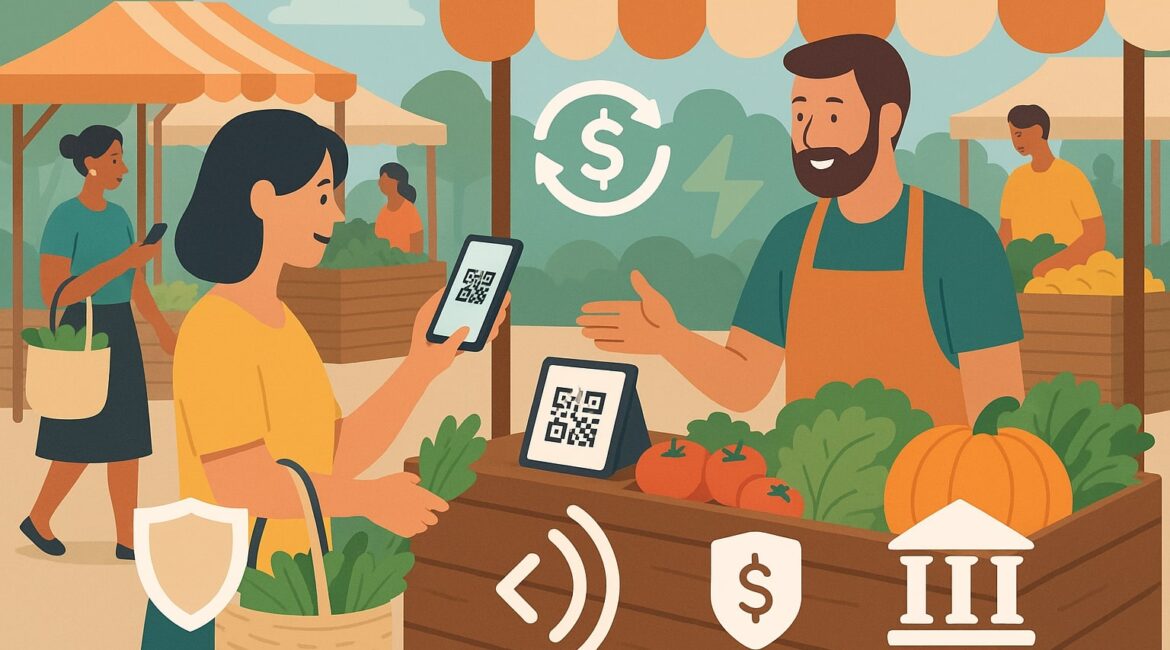
Accepting P2P payments at farmers markets is becoming an increasingly popular way for vendors to expand their payment options. From small produce stands to artisanal goods sellers, many farmers and vendors are now using mobile apps to accept cashless payments directly from customers’ phones. This detailed guide explains what P2P...
How to Track Business Expenses with PayPal and Venmo
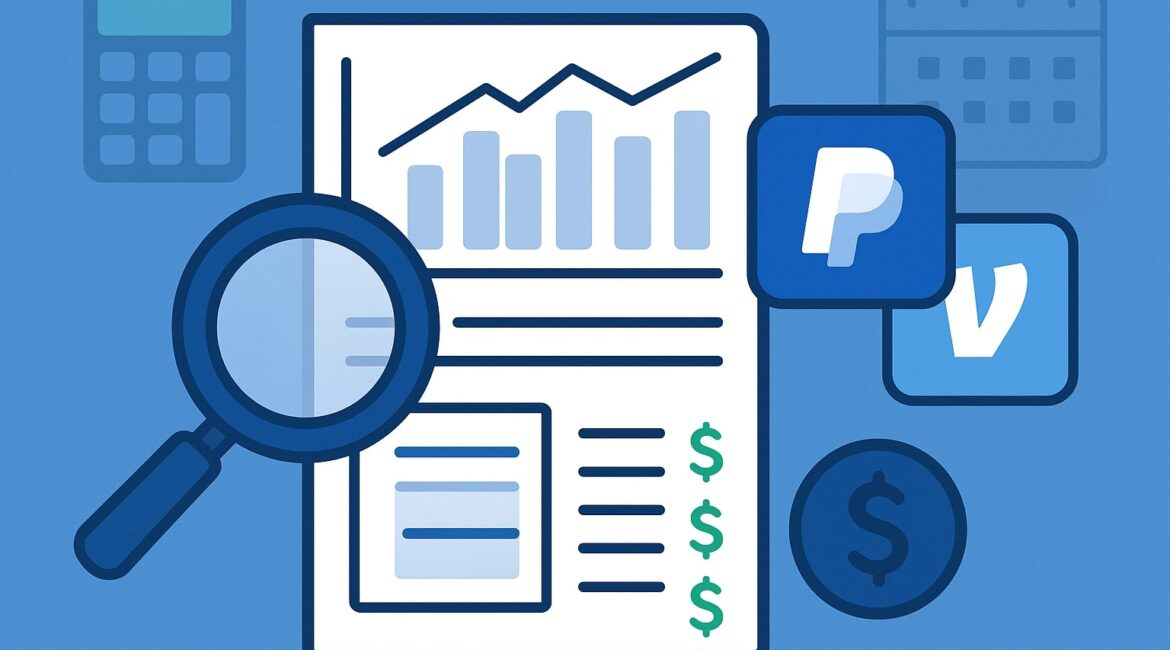
Tracking business expenses is crucial for small businesses, freelancers, eCommerce sellers, and entrepreneurs of all kinds. PayPal and Venmo are popular payment platforms that many U.S. businesses use to send and receive money. But beyond just moving funds, you can leverage these tools to monitor your spending, organize transactions, and...