
Real-time payments, often shortened to “RTP” or “instant payments,” move money and the related payment data between U.S. bank accounts in seconds, 24/7/365. Unlike traditional rails that batch and settle later, real-time payments complete clearing, settlement, and funds availability nearly instantly—with finality. In the U.S., two primary instant rails enable...
Understanding P2P Payment Fees and Transaction Costs
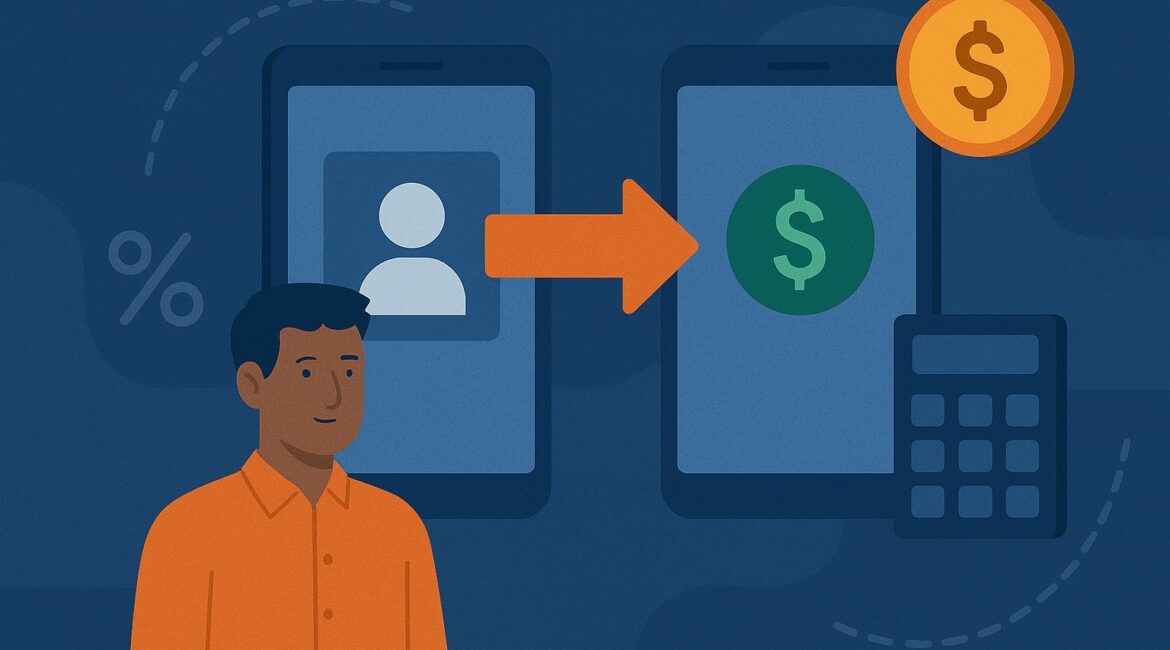
Peer-to-peer payments are now a daily habit in the U.S., from splitting rent to paying freelancers and tipping local vendors. Yet many people overlook how P2P payment fees and transaction costs really work. This guide explains what you actually pay, why those costs exist, and how to minimize them without...
P2P Payments vs Bank Transfers: Key Differences Explained

P2P payments vs bank transfers is a comparison that every U.S. consumer and small business should understand. Both move money digitally, both can look instant in an app, and both promise convenience. Yet the rails, rules, fees, speeds, protections, and risks are not the same. Choosing the right option for...
The Evolution of P2P Payments: From Consumers to Businesses
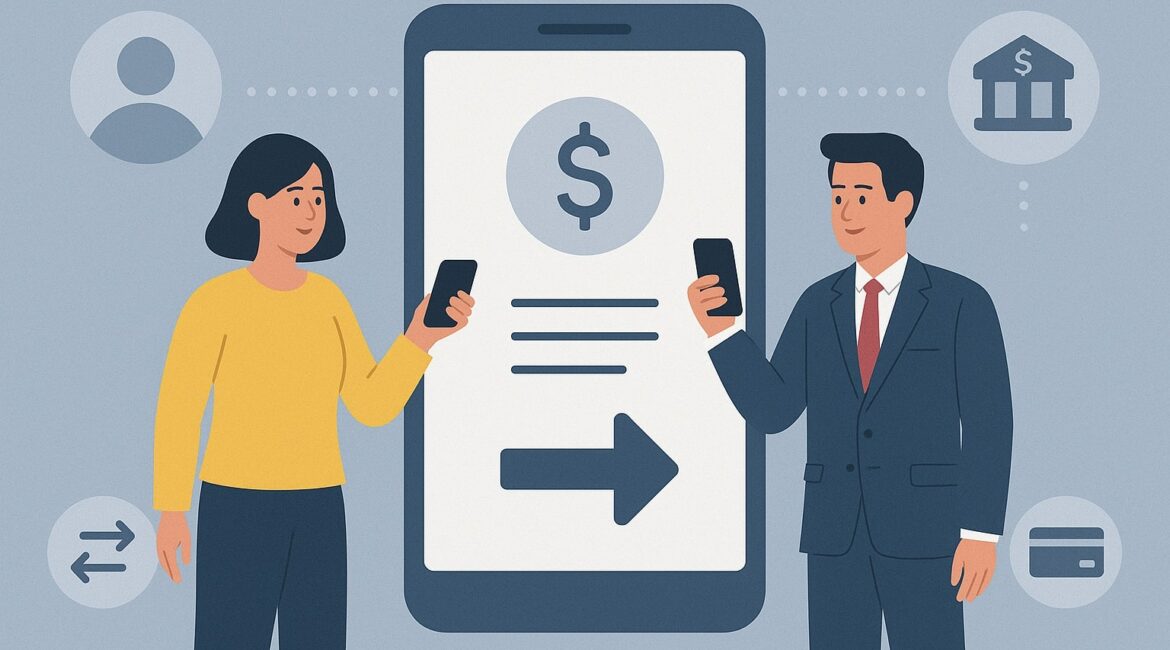
P2P payments—short for peer-to-peer payments—have transformed how money moves in the United States. What began as a convenient way for friends to split a dinner check has evolved into a powerful set of rails and experiences that now serve freelancers, micro-businesses, platforms, and even large enterprises. Today, P2P payments power...
International P2P Payments: Challenges and Opportunities

International P2P payments—person-to-person transfers that cross national borders—let individuals send money directly to friends, family, freelancers, students, travelers, and micro-merchants abroad. In the U.S. context, international P2P payments grew from niche remittances to a mainstream personal finance habit thanks to mobile apps, instant notifications, and transparent pricing. For Americans who...
The Future of Instant Payments: RTP, FedNow, and Beyond

Instant payments are revolutionizing how money moves in the United States. Businesses, consumers, and financial professionals are embracing new systems that transfer funds in real time, eliminating the delays of traditional methods. In this article, we explore the Real-Time Payments (RTP) network and the Federal Reserve’s FedNow service – the...
How to Prevent Fraud When Accepting Peer-to-Peer Payments
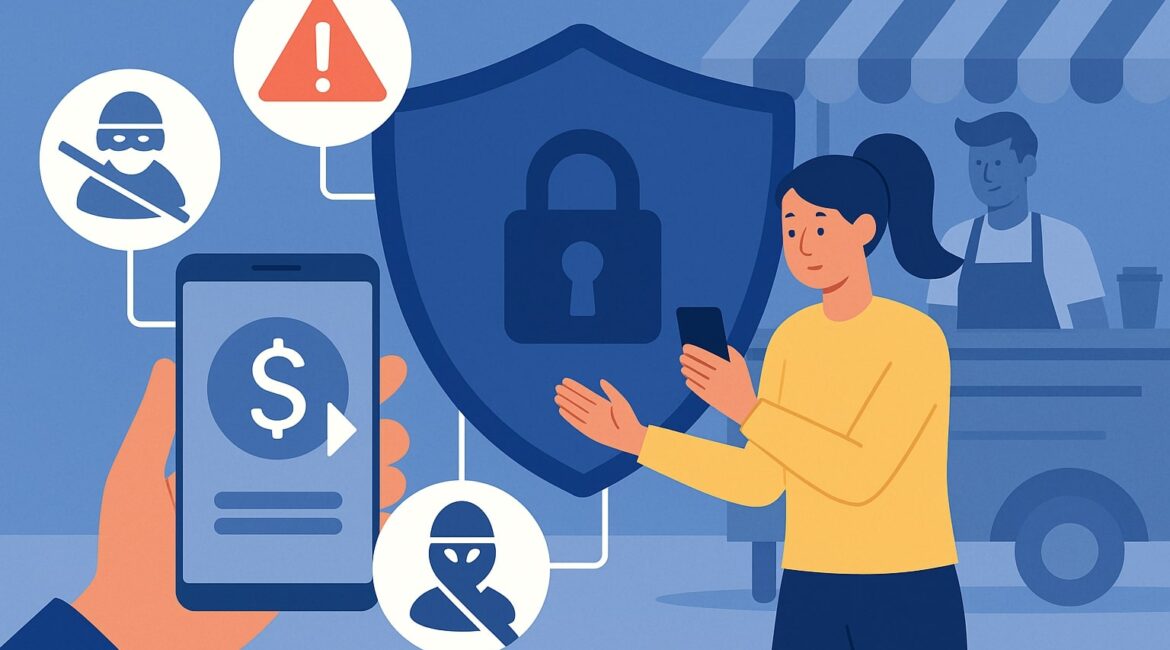
Peer-to-peer (P2P) payment platforms like Zelle, Venmo, Cash App, and the new FedNow service have revolutionized how Americans send and receive money. Nearly 75% of U.S. consumers used mobile payment apps in 2022 – a massive jump from just 10% in 2013. Small business owners, freelancers, casual sellers, and everyday...
The Rise of Peer-to-Peer Payments at Local Food Trucks

Peer-to-peer payments at local food trucks are becoming increasingly common in the United States. Gone are the days when cash was the only way to buy a taco or burger from a street vendor. Today, many customers simply pull out their smartphones and use apps like Venmo, Cash App, PayPal,...
Accepting P2P Payments at Farmers Markets
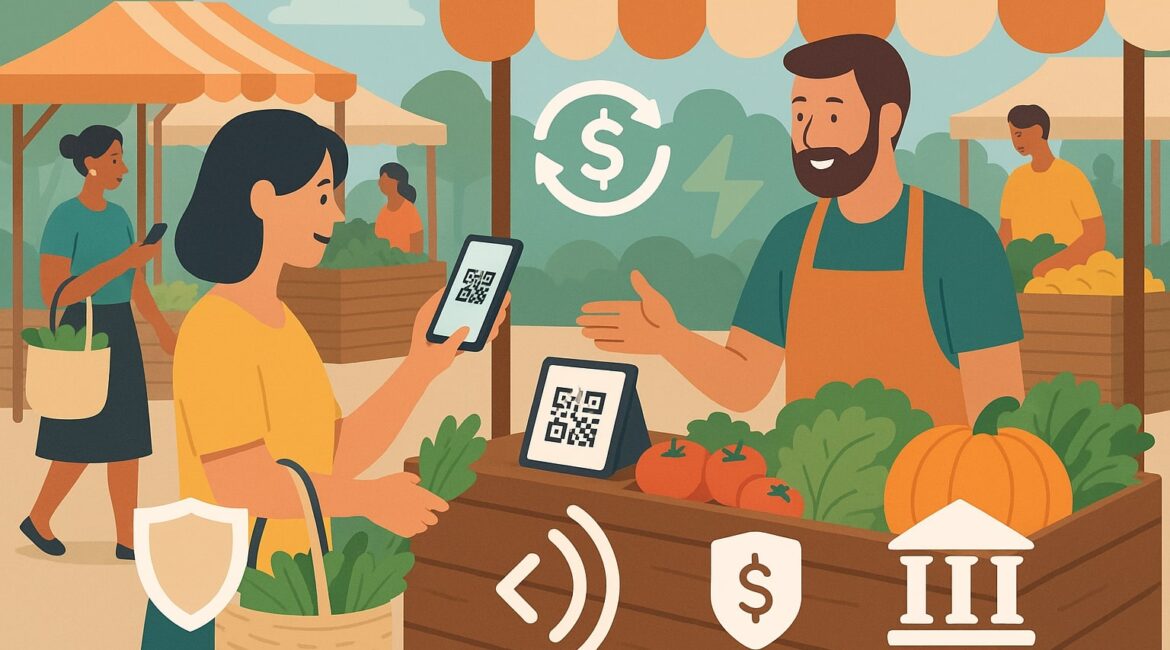
Accepting P2P payments at farmers markets is becoming an increasingly popular way for vendors to expand their payment options. From small produce stands to artisanal goods sellers, many farmers and vendors are now using mobile apps to accept cashless payments directly from customers’ phones. This detailed guide explains what P2P...
How to Track Business Expenses with PayPal and Venmo
Tracking business expenses is crucial for small businesses, freelancers, eCommerce sellers, and entrepreneurs of all kinds. PayPal and Venmo are popular payment platforms that many U.S. businesses use to send and receive money. But beyond just moving funds, you can leverage these tools to monitor your spending, organize transactions, and...